Breakthrough Reflection
Cancer is one of the most deadliest diseases worldwide, having killed upwards of 180 million individuals between 2000 and 2023. However, this depressing statistic fails to highlight the 33% decline in such death rate since 1991, with cancer patients living longer more fulfilling lives against the disease. This is part is due to the breakthrough works of Dr. Jim Allison, an immunotherapy researcher.
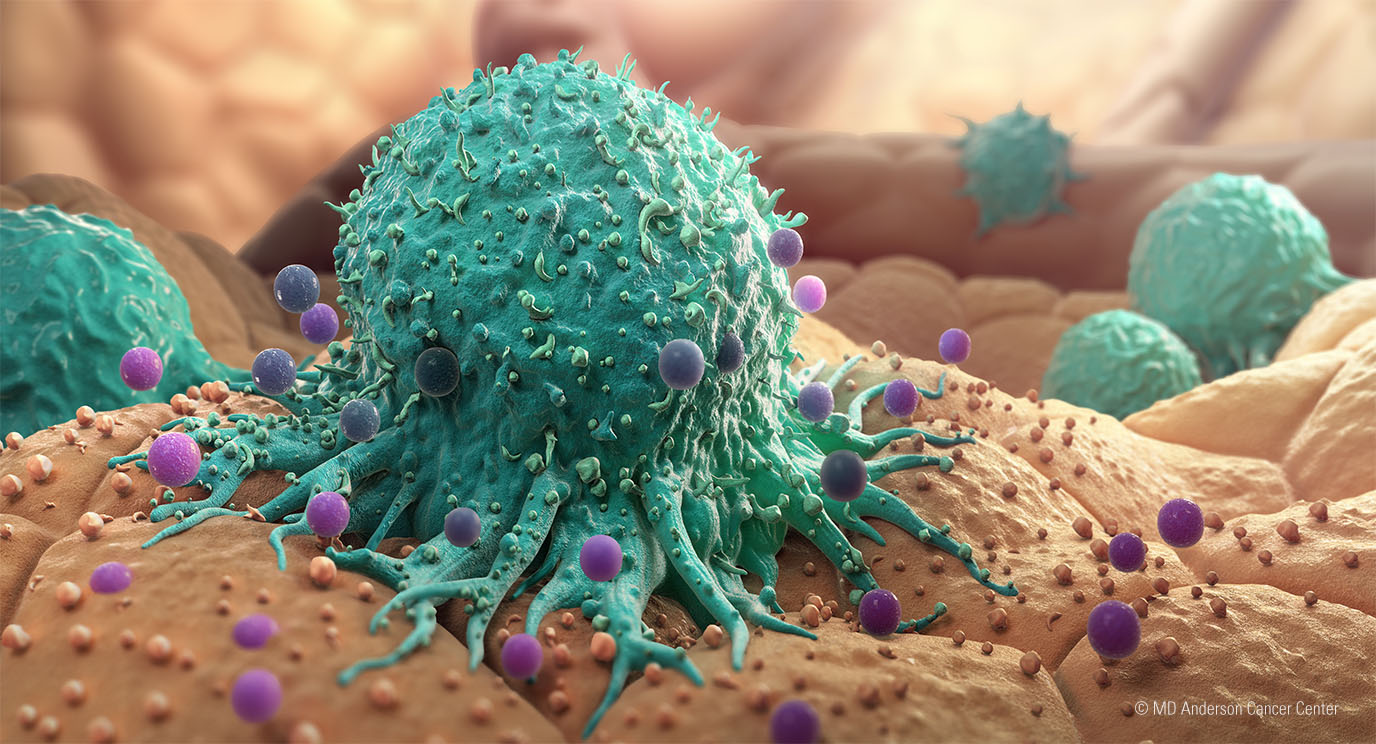
The documentary Breakthrough reviews the entirety of Jim Allison's life, building up to his discovery to develop the CTLA-4 antibody drug. Cancers have the ability to "trick" the T cells (which have the job to destroy pathogens) into not attacking them. CTLA-4 can block the cancer from doing so, and the drug would help T cells to properly identify and attack any foreign diseases. Here is a specific video on PD-L1, PD-1, and CTLA-4 for further information:
Early in Dr. Allison's life, he had lost many family members to cancer, which sparked his interest and drive to understand and ideally cure future deaths. Throughout the film, the determination of Dr. Allison is apparent, from working on unorthodox ideas and the backlash from traditional scientific community, to changing the FDA's process to work to get his drug in action to save lives of family members and individuals around the world. What makes this documentary so unique is what makes Jim Allison such an interesting person. The perspective each human being has shaping how they view the world gives way to unique new ideas and solutions, as Dr. Allison holds a curiosity which began growth from a young age in a small town in Texas. His love for music makes him a lively performer outside the lab. Most importantly, his perspective to undeniably be his true self gave him to grit to push through criticisms in the creation of the immunotherapy drug that has saved lives.

This documentary was very inspiring, especially as a reflective piece holding both sides of the story, with the creation of the drug and an example of an individual and real patient that was positively impacted. However, the most bizarre aspect is that Dr. Allison devoted near his entire working life to one drug, and there is still so much research to be done. CTLA-4 does not attack all types of cancers, and with diseases evolving, there is an extremely crucial aspect in humanity evolving along as well. The next steps fall to the next generations to stay curious and continue to research in partially unknown terrain.
A question I had that relayed back to the film was related to political decisions made today. For Dr. Allison, being a through and through Texan may connect him to specific decisions made by the state of Texas regarding healthcare and scientific limitations, my question being that, based out of Texas, how can he maintain the 'freedom' to continue to move forward in his field? Additionally, specific to immunotherapy, how does Dr. Allison see his drug progressing forward? Will there be multiple different drugs developed in the coming years to attack different cancers? How will science keep up with evolving diseases?

No comments:
Post a Comment