Wednesday, January 22, 2025

Cracking your Genetic Code

Cracking your Genetic Code 🧬

If you had the opportunity, would you want to know how likely you were to contract a disease or condition? This was a recurring question explored throughout the 2012 documentary: Cracking your Genetic Code, which explored breakthroughs in science such as genome sequencing.

In this NOVA documentary, the intricate and complex field of genomics is explored. The     documentary focuses specifically on whole genome sequencing, and the benefits and ethical  concerns that arise from gene sequencing. 

Throughout this documentary, I learned more about the science behind gene sequencing. In order to sequence genes, DNA must be extracted from a sample and fragmented into smaller parts, then a sequencing technique must be used to determine the order of the nucleotides within the fragments. Finally, a team of scientists will “read” the genetic code and identify any errors in nucleotide placement, etc. This documentary also highlighted various main aspects of gene sequencing such as technology, ethical issues, and the impact on medicine. What was particularly interesting was the technological aspect as the documentary highlighted the current decrease in cost for gene sequencing, making the process more available to the general public. This possible increase of individuals who seek to have their genome sequence raised various ethical concerns about gene sequencing. For example, many concerns were raised regarding possible discrimination from insurance companies based on the information they receive about your health from your genome. Although various organizations such as 23 and me have allowed individuals to have access to a less expensive form of DNA sequencing, this ability to obtain information regarding predispositions and future illnesses can have lasting psychological impacts. 

Currently, the technologies presented in the documentary have impacted society by causing them to be more aware of their health, as well as their genes. The process of gene sequencing has impacted medicine, diagnoses and made way for a variety of new drug treatments. In the future, gene sequencing will be much more available, and individuals will continue to push the limits on how they can use gene sequencing to manipulate their lives and the lives of their children.

I would definitely recommend this documentary, the film was extremely eye opening to the fairly new and quite controversial subject of gene sequencing and the impacts the process has had on society thus far. If you would like to learn more about gene sequencing, this video would be helpful. 

2 responses to “Cracking your Genetic Code 🧬”

  1. Brooke True Avatar

    I really like how you had a creative introduction to your blog, inviting the audience in. The video you included was extremely helpful and added to your reflection. Would you choose to have your genes be tested or not?

    Liked by 1 person

  2. Moises Perez Avatar
    Moises Perez

    This is a truly fascinating subject matter, the idea of having your genes sequences does indeed pose ethical considerations that must be taken into account. I enjoyed reading your in depth analysis of the documentary and how it addressed the science and rationale behind such a controversial topic. The technology utilized is quite intriguing, nevertheless I am uncertain if the benefits truly outweigh the negative of gene sequencing. 

    Liked by 1 person

Leave a comment 

Advertisements

Occasionally, some of your visitors may see an advertisement here, 
as well as a Privacy & Cookies banner at the bottom of the page.
You can hide ads completely by upgrading to one of our paid plans.

UPGRADE NOW DISMISS MESSAGE

2 responses to “Cracking your Genetic Code 🧬”

  1. I really like how you had a creative introduction to your blog, inviting the audience in. The video you included was extremely helpful and added to your reflection. Would you choose to have your genes be tested or not?

    Liked by 1 person

  2. This is a truly fascinating subject matter, the idea of having your genes sequences does indeed pose ethical considerations that must be taken into account. I enjoyed reading your in depth analysis of the documentary and how it addressed the science and rationale behind such a controversial topic. The technology utilized is quite intriguing, nevertheless I am uncertain if the benefits truly outweigh the negative of gene sequencing. 

    Liked by 1 person

Leave a comment 

Cracking Your Genetic Code

 The fact that a majority of the traits you possess, and your reason for being alive and human, is dictated by billions of strands of As, Cs, Ts, and Gs is near unbelievable. The genetic miracle that is complex life rests entirely on the code within our unique genomes, and modern society has made many improvements in uncovering the secrets that lay within our DNA.

Nova: Cracking Your Genetic Code is a 2012 documentary about the genetic revolution; that recent technology has allowed us to analyze and uncover a large amount of our personal genetic code. This has allowed people to actively prevent conditions that would have occurred and prepare for their symptoms, but has also given people unavoidable death sentences. This new technology raises questions as to the morals and ethics of how these innovations may be used in the future, and what our society will look like in terms of using genetics as a tool in the near future.

This documentary was fascinating. I learned that lifelong afflictions can often be due to just one or two base changes within DNA, which is shocking since our DNA is composed of billions of nucleotides. I was also surprised to learn that, at the time of filming, geneticists could take months too look through one person’s entire genetic code. I was also intrigued by the questions that this film raised. The fact that employers, those seeking romantic partners, and insurance companies could possibly start to discriminate on the basis of genetics if this information becomes more public is a concern that would drastically impact the way of life for every person. The potential for this to occur, and what impacts this may have, is complex and a vital question to be considered.

I think there will be drastic changes within society as we are further able to utilize our new understanding of genetics. Currently, we are able to better pre-mediate genetic conditions and allow people afflicted a better chance at a longer and more comfortable life. We are also able to find the root mutated causes of many syndromes and treat them better though our understanding. In the future, there may be some risks to these new innovations. The genetic companies that we currently have hold parts of our identity with them, and there could be safety and privacy risks if we start using DNA as a form of identification (if social security numbers, etc., become obsolete). I also think the rise of the idea of “designer babies” in any way is an odd concept that will impact how the future views having children, and the idea of babies as a commodity that should be changed and adjusted in the womb. Although understanding and analyzing our genetic code has a variety of benefits, I think there is also a large potential for negative effects that we need to be aware of as we head into the near future.

I would definitely recommend this documentary. Although this film may not be entirely up to date with current scientific improvements, as this was recorded more than 10 years ago, the information given is a great overview and introduction to the science of genetics and the moral questions raised. I think this is an important documentary to watch because the topics are increasingly relevant as we head towards a future with greater and greater use of genetics and genetic analysis. We need to be aware of the costs and benefits to this progression, and should actively discuss how to best ethically consider the opportunities that our modern understanding of genetics can provide us with.

I am still curious after watching this documentary…. What innovations within the field of genetics are currently being worked on? What changes have been made between the filming of this documentary and now? How will the rise of AI influence genetics and the analysis of our genetic code (as well as safety and privacy concerns with genetic data)?

I am interested to see how this all plays out in the future.


Wednesday, January 8, 2025

DNA Extraction Investigation


DNA Extraction 🍌


Join my team and I as we dive into a fun and fascinating DNA extraction lab using something you can find in your kitchen. You’ll learn the basics of DNA extraction, including the role of simple household ingredients like soap and salt in breaking down cells. You’ll find out how scientists isolate DNA and get a hands-on look at the physical structure of DNA. It’s an easy and engaging way to learn more!


DNA Extraction of a Banana

 Intro: Did you know you could easily extract the DNA from many different types of fruits using common, everyday materials? I certainly did not. In this video you will see, step by step, exactly how to extract the DNA of a banana. The method is so easy you could even try to extract at home!


Reflection: In this project, my group and I extracted DNA from a banana using isopropyl alcohol. To do this, we mashed up one banana with a mixture of water, soap, and salt. Mashing the banana with our hands mechanically breaks down the cell walls while the soap breaks down the cell membrane's phospholipid bilayer, releasing the DNA from the cell. The soap helps the cell to lyse while the salt breaks down the protein chains that are bound to the DNA strands which allows the DNA to separate and clump together, making the DNA easier to see and extract. DNA has a negative charge and salt are positive ions which neutralizes the charge of the DNA, allowing the DNA to clump and stick together. After the banana is mashed with the solution, the mixture is strained to drain out the liquid and get rid of any other cell parts. Next, cold isopropyl alcohol is added to the mixture which makes the DNA less soluble, allowing for the DNA to precipitate into a white film on the top. I thought that this project was a very fun experience that was super easy to do. As for the video, I think that our filming and video editing went very smoothly and my group and I didn't run into any troubles throughout the recording and editing process. One area of improvement for our video could be adjusting the sound levels so that every video clip had the same level of sound and audio, just to create a more smooth sounding video. Another area of improvement could be adding more, in-depth information. Overall, the content was well-organized, and the hands-on demonstration helped to make our video very interactive and fun.

Breakthrough - Emma


Tuesday, January 7, 2025

Jim Allison: Breakthrough

 Jim Allison: Breakthrough is a documentary that follows Dr. Allison’s journey in becoming a scientist and developing the immunology drug ipilimumab. Ipilimumab is a CTLA-4 antibody drug – but what does this mean?

Protein CTLA-4 is an immune system brake.

CTLA-4 is a protein on the surface of T-cells that affects the immune system. Prior to Dr. Allison’s research, CTLA-4 was identified as an activating receptor – activating the immune response. Dr. Allison’s research changed this narrative supporting the characterization of CTLA-4 as an inhibitory receptor – stopping immune response. 


Through his new understanding of CTLA-4 Jim Allison developed an antibody drug that targets the CTLA-4 receptor, as a solution to cancer. Antibodies are proteins that bind to a receptor. The antibodies from ipilimumab bind to CTLA-4 preventing the cancer from doing so, and halting the immune system. By blocking the receptor, the immune system remains activated and attacks the cancer cells – shrinking tumors in many patients. 

In addition to the scientific process of ipilimumab, the documentary highlighted the struggles that come with innovation in an investor-driven medical market. It was incredibly fascinating, while also disheartening, to view the various barriers that accompanied the testing of a new drug and new strategy in attacking cancer such as patent competition and inapplicable FDA standards dictating failure before the full course of a clinical trial could be seen. However, such barriers also highlighted a more optimistic perspective which is the resilience of those fighting to combat cancer – many driven by personal loss. 

One of the greatest points of interest for me, was the condition of those receiving ipilimumab compared with those of chemotherapy. The documentary itself did not dive greatly into the effects of chemotherapy to highlight this contrast. Although, with even a baseline knowledge of chemotherapy the difference is apparent with those receiving immunotherapy treatments feeling much better throughout the course of the treatment not facing the massive cell death that comes with chemotherapy and results in such detrimental side effects such as fatigue, weakening of immune system, and hair loss. Additionally, there is supporting evidence that immunotherapy results in survival rates as presented in the video below. 


“Immunotherapy won’t replace these other three [surgery, radiation, and chemotherapy], but it can be used in combination with them to offer patients the best chance to beat their disease” (Jim Allison).

Ultimately, I found the documentary incredibly compelling. My dream career since middle school is to pursue medical research in immunology with an application in oncology stemming from mother’s experiences with cancer. Not only was this documentary incredibly relevant to the work I hope to pursue but also my past life experiences with Dr. Allison ultimately taking a position at M.D. Anderson where my mother received treatment prior to her passing. As such, the relevance of the documentary also left me with questions about the work done since the introduction of ipilimumab to the market such as at which stages the drug has a high success rate and the condition of patients in the long term. 

Breakthrough Reflection


Breakthrough Reflection

Emilia Luis AP Bio January 7, 2025

Cancer is one of the most deadliest diseases worldwide, having killed upwards of 180 million individuals between 2000 and 2023. However, this depressing statistic fails to highlight the 33% decline in such death rate since 1991, with cancer patients living longer more fulfilling lives against the disease. This is part is due to the breakthrough works of Dr. Jim Allison, an immunotherapy researcher.

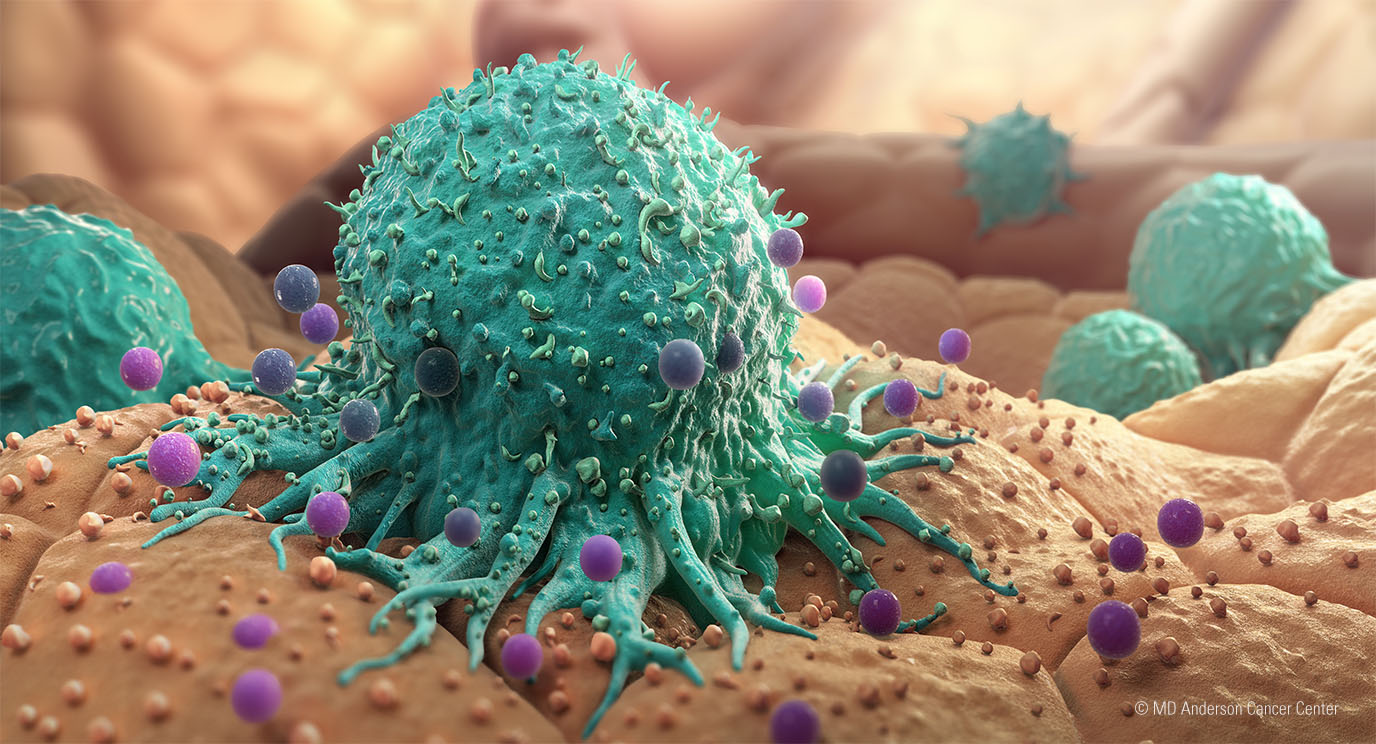
What is cancer? | MD Anderson Cancer Center

The documentary Breakthrough reviews the entirety of Jim Allison's life, building up to his discovery to develop the CTLA-4 antibody drug. Cancers have the ability to "trick" the T cells (which have the job to destroy pathogens) into not attacking them. CTLA-4 can block the cancer from doing so, and the drug would help T cells to properly identify and attack any foreign diseases. Here is a specific video on PD-L1, PD-1, and CTLA-4 for further information:

Early in Dr. Allison's life, he had lost many family members to cancer, which sparked his interest and drive to understand and ideally cure future deaths. Throughout the film, the determination of Dr. Allison is apparent, from working on unorthodox ideas and the backlash from traditional scientific community, to changing the FDA's process to work to get his drug in action to save lives of family members and individuals around the world. What makes this documentary so unique is what makes Jim Allison such an interesting person. The perspective each human being has shaping how they view the world gives way to unique new ideas and solutions, as Dr. Allison holds a curiosity which began growth from a young age in a small town in Texas. His love for music makes him a lively performer outside the lab. Most importantly, his perspective to undeniably be his true self gave him to grit to push through criticisms in the creation of the immunotherapy drug that has saved lives.

This documentary was very inspiring, especially as a reflective piece holding both sides of the story, with the creation of the drug and an example of an individual and real patient that was positively impacted. However, the most bizarre aspect is that Dr. Allison devoted near his entire working life to one drug, and there is still so much research to be done. CTLA-4 does not attack all types of cancers, and with diseases evolving, there is an extremely crucial aspect in humanity evolving along as well. The next steps fall to the next generations to stay curious and continue to research in partially unknown terrain.

A question I had that relayed back to the film was related to political decisions made today. For Dr. Allison, being a through and through Texan may connect him to specific decisions made by the state of Texas regarding healthcare and scientific limitations, my question being that, based out of Texas, how can he maintain the 'freedom' to continue to move forward in his field? Additionally, specific to immunotherapy, how does Dr. Allison see his drug progressing forward? Will there be multiple different drugs developed in the coming years to attack different cancers? How will science keep up with evolving diseases?

Tuesday, November 12, 2024

Do Plants Matter?

Do Plants Matter?

Maria Fadiman is an ethnobotanist. This means that she studies the interactions between humans and plants. There are five main connections between people and plants: fiber, food, construction, medicine, and rituals. These are all ways we interact with plants, or ways that plants interact with us.
Let's start with fiber. Fiber has been useful to humans in more ways than one. Textiles like clothes and fabric is a common usage. Paper, ropes, baskets, and rugs are other ways that humans have used plant fibers to benefit.

Next, plants have been used as a source of food for many centuries. Seeds, fruits, vegetables, nuts, and cereals are all different types of plants that we consume daily. Around 70% of our diet is completely plant based, making plants very significant in our meals and daily lives.

Not only are plants used for diet, but they are key to building the structures we have around us today. Wood and bamboo are the two most common types of plants used in construction. Plants aren't just used for structural integrity, but also erosion control. Plants can be used to prevent soil erosion through their root systems. Plants can also be utilized for visual and site aesthetics such as wood flooring or bamboo structures.
Plants have helped humans in the field of medicine since the beginning of time. Different plants can be brewed as tea to help with relaxation like chamomile tea. Other plants' oils can be used to minimize irritation to skin from different skin conditions.

Over the years, different cultures and societies have adopted different plants for rituals. One common plant used in a ritual around the world is the Christmas Tree. This tree has symbolized the start and celebration of a holiday throughout the whole world. Similarly, another example of a plant used as a ritual is the pumpkin. Pumpkins are used to signify Halloween, another common holiday celebrated by many.

What is Ethnobotany and Why do Plants Matter? - Kaitlyn


What is ethnobotany and why do plants matter?


Prior to Maria Fadiman's presentation, I don't think I had ever even heard of the term ethnobotany. However, in retrospect, the interaction between people and plants is a vital piece of our world that has enabled many rich cultures and ideas to exist.


I found particularly interesting the different ways Maria connected aspects of our everyday life back to plants. I feel that our modern society has been severed from our roots (both literally and metaphorically), thinking of clothes only being produced in factories and medicine only developed in labs.    


The primary connection that came to mind for me was the necessity of particular plants as a food source. All across the globe, certain plants have proven vital in the survival of entire peoples. Whether it be rice in Asia or corn in Latin America, crops that proved their worth during challenging times continue to be revered and celebrated in the modern world.


This idea of crops gaining significance through hardship reminded me of a story from my own culture. One of my mom's favorite shows is titled Pachinko, and follows multiple generations of a Korean family, contrasting the struggles of the past with those of today. In a flashback to the great grandmother's youth, the woman is shown to be in extreme poverty, barely able to afford any food. However, upon being given the smallest portion of white rice, the girl's face lights up, indicating the dish's significance as a delicacy. My mom then explained to me that this was by no means an exaggeration, and, although the crop has become much more affordable, white rice continues to be revered by my own Halmoni today.


Thursday, October 17, 2024

Care for the Common Home - Olivia

Care for the Common Home

Over the next week or so, I, along with the rest of my AP Biology class have explored topics on citizen science, Asian Carp, and St. Francis’s message on Laudato Si.

In watching the video below, I learned about the message of Laudato Si, which Pope Francis, the pope of the Roman Catholic Church has been seeking to impose on the world for many years. The message is that all humans must work together to save the Earth’s and its resources, especially since together, we are stronger. What stood out to me in learning about this is that I completely agree with his message. In a world where the effects of climate change are extremely evident, even in my own community, with longer fire seasons, heat waves, and droughts, I see, firsthand what must be done to help protect our Earth for we only have one. What I hope others gain from Pope Francis’s message is to do their part. To go out into their own communities and to educate and advocate for environmental rights, to gather people together just like Pope Francis wants. I seek to do that myself by raising awareness in my community about examples of using less water in everyday life, such as fewer baths, shorter showers, and less shopping. Some curious questions I have about Pope Francis’s message is how is the church raising awareness about environmental rights? What steps are being implemented?


When watching the Invasive Carp of Kentucky I Adaptation, I learned about a certain solution to a man-made problem in a small town in Kentucky. Overwhelmed with an abundance of Asian Carp, a woman by the name of Angie Yu created a business for getting and selling Asian Carp to make a profit as well as clear out the waters of the Kentucky town of Asian Carp, bringing the community together. Seeing a solution come to life, I recognized the importance of science and innovation and how anything is possible when people come together, connecting to Pope Francis’s message.


Something that intrigued me was the fact that before Angie Yu created her business, people who lived in Kentucky disliked Asian Carp and refused to eat it. Seeing how large and the amount of Asian Carp present in Kentucky, it surprised me that no one took advantage of that until Angie Yu came. In learning about this, I hope the audience is once again reminded of the power of bringing people together for a common solution, and the immense benefits of it to a individual and a whole group of people. Some curious questions I have is How can other communities facing similar issues work together to create a common solution? How can a individual encourage a huge group of people to invest in a cause that is important to them?

What is citizen science? Citizen science is when anyone is able to contribute to scientific research, whether through a app, photos, game, etc, helping real scientists be able to gather a large amount of data. In researching scistarter.org, I saw how any interaction that I have with any project on this website would contribute to a scientist be able to collect more data for their project. This especially intrigues me because as someone who is interested in possibly becoming a research assistant, this tool is extremely helpful if I needed a large amount of data on a specific topic to help my research. Scistarter.org is able to achieve that, which is incredibly fascinating. I would highly encourage everyone to make a account on scistarter.org and choose a project about something that they are passionate about and look to find data for these scientists. I think it is extremely rewarding that someone’s own research is contributing to a better cause. Some curious questions I have is that Is there any way that as data collectors, people can see the impact of their research on real scientists’ work? Is there any way I can get recognition for contributing to a research project?

In submitting my Earth Science Week photo contest whose prompt was on Earth’s processes, I was reminded about the reality that nature is all around us and in us. Too often, as humans, we tend to overwhelm ourselves with so many tasks, that we believe would be detrimental if we don’t accomplish them. Myself included, I forget often how grateful I am to live in such a beautiful piece of the Earth, where I have the opportunity to witness nature all around me. By doing this contest, I am reminded to take each day at a time and to remember to breathe.

So I say to you, my audience, to not forget to spend time in nature, for you will not regret it!